
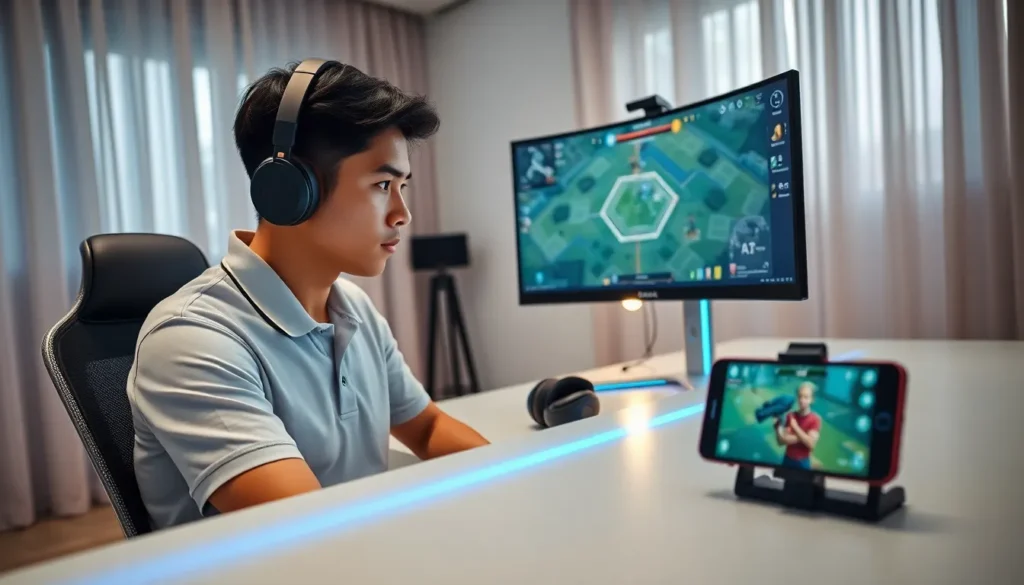

Arena of Valor techniques separate casual players from ranked climbers. This mobile MOBA demands quick reflexes, smart decision-making, and deep game knowledge. Players who master core strategies consistently outperform those who rely on raw mechanical skill alone.
The difference between a good player and a great one often comes down to fundamentals. Understanding when to engage, where to position, and how to coordinate with teammates creates winning opportunities. This guide breaks down the essential Arena of Valor techniques that top players use to dominate matches and climb the ladder.
Table of Contents
ToggleKey Takeaways
- Mastering Arena of Valor techniques like animation canceling and crowd control chaining significantly increases your damage output and team fight effectiveness.
- Strong laning fundamentals—including last-hitting, wave management, and smart trading—build gold and experience advantages that carry throughout the match.
- Map awareness and vision control prevent ganks and enable well-timed rotations that create number advantages across the map.
- Proper team fight positioning based on your role (tank, assassin, marksman, etc.) determines whether you survive fights or die first.
- Understanding your hero’s power spikes and adapting your itemization to counter enemy compositions gives you a strategic edge in every game.
Understanding the Fundamentals of Combat
Every successful Arena of Valor player builds their skills on solid combat fundamentals. These basics form the foundation for more advanced techniques.
Attack and Ability Timing
Players should learn to weave basic attacks between abilities. This technique, called animation canceling, increases damage output significantly. Most heroes benefit from this pattern: ability, basic attack, ability, basic attack. The extra damage adds up quickly during extended fights.
Crowd Control Chaining
Stuns, slows, and knockups work best when applied in sequence. Teams that coordinate their crowd control keep enemies locked down longer. A tank might open with a stun, followed by a mage’s root, then an assassin’s burst damage. This chain leaves opponents little room to respond.
Positioning Basics
Different roles require different positioning in Arena of Valor. Marksmen stay at maximum range behind their frontline. Assassins lurk on flanks, waiting for opportunities. Tanks stand at the front, absorbing damage and creating space. Breaking these rules often leads to quick deaths.
Resource Management
Mana and cooldowns limit what players can do. Smart players track their resources before committing to fights. Engaging without enough mana for a full combo wastes opportunities. Similarly, fighting with key abilities on cooldown puts players at a disadvantage.
Essential Laning Techniques for Every Role
Strong laning sets the tone for the entire match. Players who win their lanes gain gold, experience, and map control advantages.
Last-Hitting and Wave Management
Gold comes from landing the killing blow on minions. Missing last-hits costs players hundreds of gold per minute. Beyond last-hitting, wave management matters. Freezing the wave near your tower creates safe farming zones. Pushing waves into enemy towers denies opponents gold when they leave lane.
Trading Effectively
Trading refers to exchanging damage with opponents. Good trades leave players ahead in health. Players should trade when their abilities are ready and the enemy’s are on cooldown. Using the brush for surprise attacks creates favorable trades. Arena of Valor techniques for trading vary by hero, but the principle stays constant: deal more damage than received.
Lane Priority
Lane priority means having control over your lane. A player with priority can leave to help teammates without losing their tower. They push the wave first, then rotate. Players without priority must stay and defend. Understanding this concept helps teams coordinate better across the map.
Backing and Timing
Knowing when to return to base separates good laners from great ones. Players should back after pushing a wave into the enemy tower. This timing minimizes lost gold and experience. Backing at bad times gives opponents free tower damage or uncontested objectives.
Advanced Map Awareness and Rotation Strategies
The minimap provides crucial information. Players who watch it consistently make better decisions than those who tunnel vision on their lane.
Vision Control
Wards reveal enemy positions and prevent ganks. Players should place wards in high-traffic areas like river bushes and jungle entrances. Clearing enemy wards with detection items denies opponents information. Vision wins games in Arena of Valor.
Rotation Timing
Rotations involve moving between lanes to create number advantages. Successful rotations require proper timing. Players should rotate after pushing their wave and when teammates need help. Failed rotations waste time and give opponents free farm.
Objective Prioritization
Dragons, Dark Slayer, and towers provide team-wide benefits. Smart players know which objectives matter most at each game stage. Early game, dragons offer significant stat boosts. Late game, Dark Slayer enables powerful pushes. Arena of Valor techniques for objective control often decide close matches.
Reading Enemy Movements
Missing enemies signal danger. When an opponent disappears from their lane, they’re probably rotating or invading jungle. Ping teammates to warn them. Anticipating enemy movements allows teams to counter-rotate or collapse on unsuspecting opponents.
Team Fight Positioning and Coordination
Team fights often determine match outcomes. Proper positioning and coordination give teams significant advantages.
Role-Based Positioning
Each role has an ideal position during team fights. Tanks engage first and absorb damage. Warriors dive backlines or peel for carries. Mages deal area damage from mid-range. Marksmen attack from maximum distance. Assassins wait for openings, then eliminate high-value targets. Players who ignore their role’s positioning often die first.
Target Selection
Focusing the right enemy wins fights. Generally, teams should target the enemy’s highest damage dealer. But context matters. Sometimes killing an out-of-position tank first opens up the backline. Arena of Valor techniques for target selection improve with experience and game sense.
Engage and Disengage
Knowing when to start and stop fights is critical. Teams should engage when they have number advantages, ability advantages, or positional advantages. They should disengage when these conditions flip. Chasing kills into bad positions throws away won fights.
Communication and Pings
Quick pings convey important information. Danger pings warn teammates of threats. Attack pings signal targets. Rally pings group teams for objectives. Consistent communication helps teams fight as a unit rather than five individuals.
Mastering Hero-Specific Combos and Mechanics
Each hero has unique combos and mechanics. Mastering these techniques maximizes their potential.
Combo Practice
Every hero has optimal ability sequences. Players should practice these combos until they become automatic. The practice mode offers a safe space to drill mechanics without match pressure. Muscle memory lets players execute combos while focusing on bigger decisions.
Understanding Power Spikes
Heroes gain strength at different rates. Some peak early with base damage. Others scale into late-game monsters with items. Arena of Valor techniques for playing around power spikes create advantages. Early-game heroes should force fights before opponents scale. Late-game heroes should farm safely until their items come online.
Itemization Choices
Items modify hero strengths and cover weaknesses. Players should adjust builds based on enemy compositions. Facing heavy magic damage? Build magic defense. Enemy stacking armor? Consider armor penetration. Cookie-cutter builds work sometimes, but adaptive itemization wins more games.
Matchup Knowledge
Knowing how a hero performs against specific opponents matters. Some matchups favor aggression. Others require patience and scaling. Players should learn their main heroes’ good and bad matchups. This knowledge informs early laning decisions and team fight approaches.


