
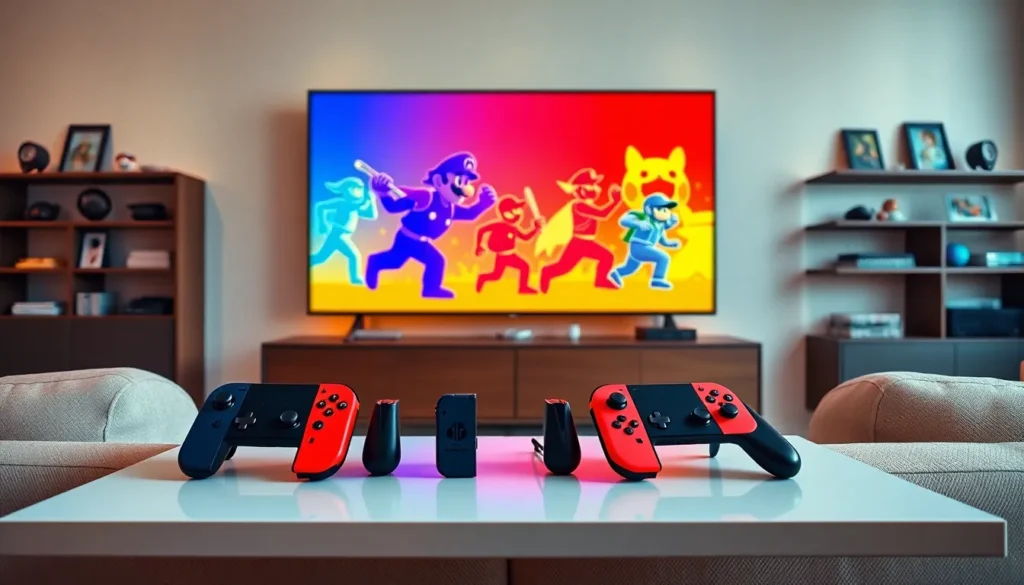

Super Smash Bros stands as one of gaming’s most beloved fighting franchises. Since 1999, the series has brought Nintendo characters together in chaotic, accessible battles that appeal to casual players and competitive fighters alike. The formula is simple: knock opponents off the stage. The execution? That’s where decades of refinement come into play.
This guide covers everything players need to know about Super Smash Bros. From its humble N64 origins to the massive roster of Ultimate, the series has grown into a cultural phenomenon. Whether someone’s picking up a controller for the first time or looking to sharpen their competitive edge, this breakdown offers the essentials.
Table of Contents
ToggleKey Takeaways
- Super Smash Bros uses a unique percentage-based damage system where higher damage means easier knockouts, replacing traditional health bars.
- Super Smash Bros Ultimate holds the record as the best-selling fighting game ever, featuring all 89 characters from the franchise’s history.
- The series evolved from 8 Nintendo characters in 1999 to a gaming crossover phenomenon including icons like Sonic, Cloud, and Sora.
- New players should master recovery mechanics and focus on watching opponents rather than their own character to improve quickly.
- Local multiplayer remains the heart of the Super Smash Bros experience, supporting up to 8 players in Ultimate for unforgettable couch gaming sessions.
- Training mode and online communities offer endless resources for players looking to sharpen their competitive skills.
The History and Evolution of Super Smash Bros
The original Super Smash Bros launched on Nintendo 64 in January 1999. Creator Masahiro Sakurai designed the game as a departure from traditional fighters like Street Fighter. Instead of health bars and complex input combos, Smash Bros introduced percentage-based damage and simple controls. Higher percentages meant easier knockouts. The concept clicked immediately.
Super Smash Bros Melee arrived on GameCube in 2001. It expanded the roster to 25 characters and introduced beloved stages like Final Destination. Melee became a competitive staple, with tournaments still running over two decades later. The game’s precise mechanics and fast-paced action created a dedicated community that refuses to let go.
Super Smash Bros Brawl hit the Wii in 2008. This entry added online play and introduced third-party characters like Solid Snake and Sonic the Hedgehog. Brawl prioritized accessibility over speed, which divided the fanbase. Still, it sold over 13 million copies worldwide.
The Wii U and 3DS received Super Smash Bros for Wii U/3DS in 2014. These versions brought the series to handheld platforms for the first time. Customizable fighters and eight-player battles expanded gameplay options significantly.
Super Smash Bros Ultimate launched on Nintendo Switch in December 2018. It earned its name by including every fighter from previous entries, a roster of 89 characters by the final DLC release. Ultimate became the best-selling fighting game ever, with over 33 million copies sold. Each installment pushed boundaries while keeping the core Super Smash Bros experience intact.
Core Gameplay Mechanics and What Makes It Unique
Super Smash Bros differs from traditional fighting games in several key ways. Players don’t deplete health bars. Instead, they accumulate damage percentages. Higher percentages mean attacks launch opponents farther. The goal is to knock enemies off the stage entirely.
Controls stay intentionally simple. Every character uses the same basic inputs: standard attacks, special moves, grabs, and shields. A player can learn the fundamentals in minutes. Mastery, but, takes years. This balance between accessibility and depth defines the Super Smash Bros experience.
Stage design plays a crucial role. Platforms, hazards, and boundaries change how matches unfold. Some stages offer flat arenas for pure skill tests. Others throw chaos into the mix with moving platforms and environmental dangers. Players can toggle stage hazards on or off based on preference.
Items add another layer of strategy, or chaos, depending on perspective. Weapons, power-ups, and assist trophies spawn randomly during matches. Competitive players often disable items for consistency. Casual groups embrace them for unpredictable fun.
The percentage system creates tension that health bars can’t match. A player at 150% damage isn’t out yet. One good defensive read can turn the match around. Super Smash Bros rewards patience, adaptation, and smart positioning as much as raw aggression.
Iconic Characters and Roster Highlights
Super Smash Bros built its identity on crossover appeal. Mario, Link, Pikachu, and Kirby formed the original eight-character roster. Each represented Nintendo’s biggest franchises. That foundation expanded dramatically over time.
Melee introduced Fire Emblem characters Marth and Roy to Western audiences. Many players discovered the strategy RPG series through Super Smash Bros before official localizations arrived. The games became a launchpad for Nintendo properties.
Third-party additions changed the game’s scope entirely. Sonic the Hedgehog’s Brawl debut felt like a childhood dream realized. Cloud Strife from Final Fantasy VII joined in Smash 4. Solid Snake brought Metal Gear representation. These inclusions transformed Super Smash Bros from a Nintendo celebration into a gaming hall of fame.
Super Smash Bros Ultimate pushed crossover ambitions further. Banjo-Kazooie returned after Microsoft acquired Rare. Steve from Minecraft broke the internet with his reveal. Sora from Kingdom Hearts closed out the DLC roster, a collaboration requiring coordination between Nintendo, Disney, and Square Enix.
Fan favorites consistently dominate online discussions. Captain Falcon’s Falcon Punch became iconic even though his F-Zero series lying dormant. Ness and Lucas represent the cult-classic Mother series. Super Smash Bros preserves gaming history by keeping these characters relevant to new generations.
Game Modes and Multiplayer Experience
Super Smash Bros offers modes for every play style. Classic Mode sends players through themed battles ending in a boss fight. Each character has a unique route reflecting their home series. Mario faces Bowser. Link battles Ganon. These personal touches add replay value.
Smash Mode serves as the main attraction. Players pick characters, stages, and rules, then battle. Stock matches give each player set lives. Timed matches count knockouts within a limit. Stamina mode uses traditional health bars for players who prefer that style.
Online play connects fighters worldwide. Quickplay matches players based on skill ratings. Battle Arenas let friends create private lobbies with custom rules. Online performance varies, Nintendo’s netcode has drawn criticism, but the convenience keeps players engaged.
Spirit Mode in Ultimate replaced traditional trophies. Players collect spirits representing thousands of gaming characters. These spirits boost fighters with unique abilities. Completing Spirit Boards unlocks new challenges and rewards.
World of Light offers a single-player adventure. This mode spans dozens of hours as players rescue fighters from an evil force. Puzzle-like battles test mastery of different characters. It’s substantial content for those who prefer solo play.
Local multiplayer remains the heart of Super Smash Bros. Four players on one couch, or eight in Ultimate, creates memories that online can’t replicate. The series thrives on shared experiences and friendly rivalries.
Tips for New Players Getting Started
New Super Smash Bros players should start with fundamentals. Pick one character and learn their basic attacks. Mario works well for beginners, his moveset is straightforward and teaches core concepts. Stick with that character until the controls feel natural.
Recovery matters more than offense. Learning to return to the stage after getting knocked off separates good players from great ones. Practice using up-special moves and air dodges to grab ledges. Dying from failed recoveries frustrates new players most.
Shielding and grabbing counter aggressive opponents. Holding shield blocks attacks but depletes over time. Grabs break through shields. This rock-paper-scissors dynamic sits at the center of Super Smash Bros strategy.
Watch opponents, not your own character. Peripheral vision tracks your fighter. Focused attention should stay on enemy movements. Anticipating attacks allows dodges and punishes. Reactive players win more than button-mashers.
Training mode offers infinite practice opportunities. Players can set CPU behavior, test combos, and learn stage layouts without pressure. Spending time here builds muscle memory faster than jumping straight into matches.
Join the community. Online guides, tournament streams, and Discord servers provide endless resources. Super Smash Bros has one of gaming’s most welcoming competitive scenes. Players of all skill levels find opponents and advice easily.


