
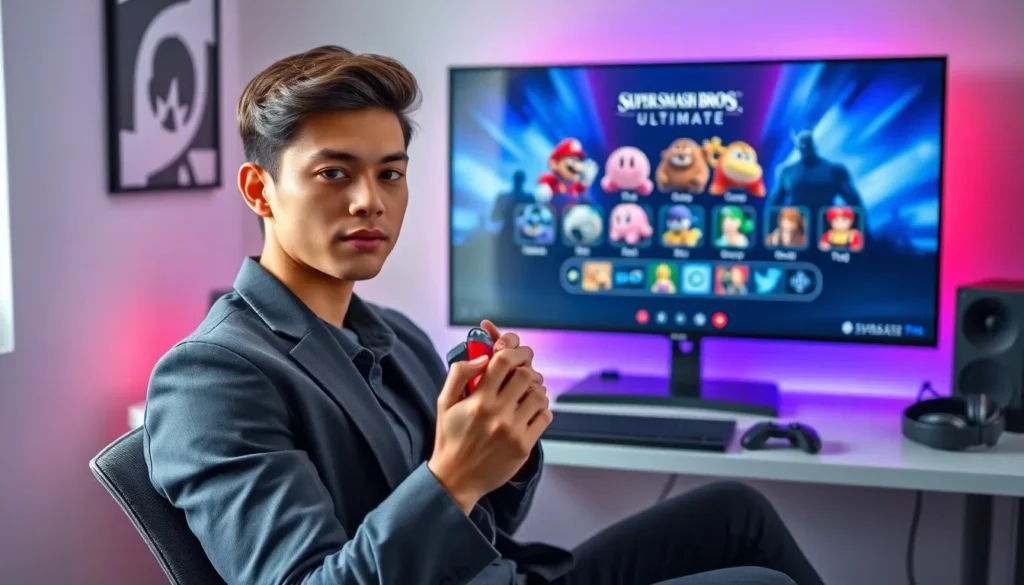

Learning how to Super Smash Bros can feel overwhelming at first. The game moves fast, characters fly across the screen, and experienced players seem to know tricks that defy explanation. But here’s the good news: Super Smash Bros is one of the most accessible fighting games ever made. Unlike traditional fighters with complex button combinations, this game rewards timing, positioning, and smart decision-making over memorizing 20-hit combos.
Whether playing on Nintendo Switch with Super Smash Bros Ultimate or picking up an older title, the core principles remain the same. This guide breaks down everything beginners need to know, from basic controls to advanced techniques that separate casual players from serious competitors.
Table of Contents
ToggleKey Takeaways
- Super Smash Bros rewards timing, positioning, and smart decision-making over complex button combos, making it beginner-friendly.
- Start with accessible characters like Mario, Kirby, or Lucina to learn core mechanics before exploring the 80+ roster.
- Master essential techniques like short hopping, fast falling, and spacing to move beyond button mashing.
- Practice recovery from different positions since saving stocks separates casual players from skilled competitors.
- Use training mode, watch your replays, and learn from top players to accelerate your improvement.
- Focus on one character initially to build deep knowledge of matchups and optimal strategies.
Understanding the Basic Controls and Mechanics
Super Smash Bros operates differently from other fighting games. The goal isn’t to drain an opponent’s health bar. Instead, players deal damage to increase their opponent’s percentage. Higher percentages mean attacks launch enemies farther. Knock them off the stage, and they lose a stock (life).
The control scheme keeps things simple. The A button performs standard attacks. The B button triggers special moves unique to each character. Combine these buttons with directional inputs to access different attacks. Tilting the stick gently while pressing A creates tilt attacks. Slamming the stick produces stronger smash attacks.
Shielding blocks incoming damage by holding the shield button. Grabbing enemies breaks through shields, press the grab button or shield plus A simultaneously. Dodging provides brief invincibility: players can dodge in place, roll left or right, or perform an aerial dodge.
Movement includes walking, running, jumping, and fast-falling. Each character gets a double jump, and most have a recovery special move (usually Up + B) to help return to the stage. Mastering how to Super Smash Bros starts with drilling these fundamentals until they become instinct.
Choosing Your First Character
Super Smash Bros Ultimate features over 80 playable characters. That roster intimidates newcomers, but certain fighters work better for learning the game.
Mario serves as the universal starter pick. His moveset covers every situation without gimmicks. He has a fireball for ranged pressure, a cape for reflecting projectiles, solid aerial attacks, and a reliable recovery. Learning Mario teaches transferable skills.
Kirby offers multiple jumps and a simple playstyle. New players struggling with recovery find Kirby forgiving. His copy ability adds fun variety without demanding technical skill.
Lucina introduces sword-fighting fundamentals. Her attacks have good range, consistent damage, and straightforward applications. She lacks complex mechanics that distract from learning core concepts.
Cloud hits hard and moves well. His limit break mechanic adds depth without overwhelming complexity. Many beginners gravitate toward Cloud because winning feels achievable quickly.
Avoid characters with steep learning curves initially. Fighters like Peach, Ice Climbers, or Kazuya require advanced techniques to function properly. Stick with approachable characters until understanding how to Super Smash Bros at a fundamental level. Then branch out based on personal preference.
Mastering Essential Combat Techniques
Raw button mashing loses to players who understand combat fundamentals. Several techniques separate beginners from intermediate players.
Short Hopping
Tapping the jump button briefly produces a short hop, a low jump that enables fast aerial attacks. Full hops leave players vulnerable longer. Short hop aerials form the backbone of offensive pressure in Super Smash Bros. Practice until short hops come naturally.
Fast Falling
Pressing down at the peak of a jump accelerates descent. Fast falling makes aerial approaches harder to punish. It also enables quicker follow-up attacks after landing. Combine short hops with fast falls for efficient offense.
Spacing
Good players position themselves at ranges where their attacks connect but opponents’ attacks miss. Swords excel at outspacing shorter-range fighters. Understanding spacing prevents walking into punishes.
Punishing
Every attack in Super Smash Bros has ending lag, frames where the attacker can’t act. Recognizing when opponents are vulnerable and capitalizing with damage creates consistent advantages. Patience often beats aggression.
Edge Guarding
Knocking opponents offstage creates opportunities. Following them off and attacking their recovery attempt can secure early kills. Learn which of your character’s moves work best for edge guarding situations.
Learning Stage Awareness and Recovery
Stages matter in Super Smash Bros. Each stage features different platform layouts, blast zones, and hazards. Competitive players typically practice on stages with minimal randomness like Battlefield or Final Destination.
Blast zones determine how far characters must travel before losing a stock. Some stages have closer blast zones on the sides, making horizontal knockouts easier. Others kill earlier vertically. Knowing these boundaries helps players choose appropriate kill moves.
Platforms provide defensive options. Dropping through platforms creates escape routes. Landing on platforms can extend combos or avoid edge-guarding attempts. Good players use the entire stage, not just the ground level.
Recovery separates stocks lost from stocks saved. Every character recovers differently. Some have excellent vertical distance but poor horizontal movement. Others drift well but lack height. Learning your character’s recovery limits prevents unnecessary deaths.
Key recovery principles include:
- Save your double jump when possible
- Mix up recovery timing to avoid predictable patterns
- Use aerial drift to adjust positioning
- Learn angles for your Up + B special move
When learning how to Super Smash Bros effectively, players must practice recovery from various positions. Get knocked offstage intentionally in training mode and experiment with different return paths.
Tips for Improving Your Skills Over Time
Improvement in Super Smash Bros requires deliberate practice. Playing matches endlessly without reflection creates bad habits. Smart practice accelerates growth.
Use Training Mode to drill specific techniques. Practice short hops, specific combos, and recovery options. Muscle memory develops through repetition.
Watch Your Replays after losing. Identify moments where better decisions would have changed outcomes. Did you approach recklessly? Miss punish opportunities? Roll predictably? Recognizing patterns in your play reveals improvement areas.
Play Against Better Opponents whenever possible. Online matchmaking provides endless competition. Local scenes and Discord communities connect players seeking practice partners. Losing to skilled players teaches more than beating weaker ones.
Focus on One Character initially. Character loyalty builds deep knowledge. Understanding matchups, optimal punishes, and situational options takes time. Spreading attention across many fighters slows progress.
Learn From Top Players by watching tournament footage. Professional Super Smash Bros players demonstrate optimal strategies. YouTube and Twitch host countless educational resources, character guides, and match analyses.
Stay Patient with the process. Super Smash Bros has been played competitively for decades. Reaching high-level play takes months or years of consistent effort. Celebrate small victories and measurable improvements along the way.


